
Dharmic Heritage Zones (DHZ)
Where law protects dharm, and dharm sustains the nation
The Civilizational Philosophy Behind Dharmic Heritage Zones (DHZ)
Bharat’s geographies revered through the ages are more than just physical locations; they are legal re-creations of a society that viewed law not as mere command, but as a natural progression towards order, justice, and harmony with the cosmos. The pilgrim routes, temple corridors, tanks, ghats, mathas, and ritual landscapes collectively created an organic network of self-governing jurisdictions, not enforced by a king, but sustained by Dharm itself.
The classical texts of the Manusmriti, Arthashastra, and Yajnavalkya Smriti did not use the language of ‘constitutions’ as in later times, but they were filled with networks of niyam (rules), ācāra (customary conduct), and maryādā/dharm that regulated social and sacred life very effectively. These texts concede that temples and religious institutions were run by community norms, acharyas and temple authorities, and that kings and state agencies were under the law, dharmic restraints. Instead of putting a modern constitutional label on them, it would be more accurate to see these as the first codes of dharm and statecraft whose rules and regulatory structures were, in their own way, doing most of the ordering functions of written constitutions that later came to be in the modern political vocabulary.
The colonial legal system had an impact on this free rein. The post-colonial government, though it is constitutionally bound to safeguard religious freedom, has inherited and deepened the state control structures, turning religious institutions into administrative departments. The spiritual sovereignty of Kashi, Ujjain, Rameshwaram, Puri, and many other places was compromised under bureaucratic frameworks, which are foreign to India’s civilizational ethos.
The Dharmic Heritage Zone program is NDV’s attempt to restore this equilibrium, not by reverting to the past, but through the medium of law.
DHZ defines holy cities as not only the constitutionally protected ecological communities of a civilisation but also as those governed by the bodies that have their roots in the tradition but are still transparent and modern in nature. It is re-articulating an older Indian wisdom within the framework of contemporary constitutionalism rather than simply going back to the past.
Why DHZ?
India’s sacred geography is not a collection of monuments. It is a living civilizational network that shaped our law, culture, and identity.
For generations, these spaces governed themselves through ritual authority, community stewardship, and dharmic accountability, until colonial and post-colonial laws disrupted this equilibrium.
The Dharmic Heritage Zones (DHZ) initiative is NDV’s effort to restore these sacred ecosystems with institutional dignity and constitutional protection.
DHZ is not preservation.
It is civilizational restitution.
“From Kashi to Rameshwaram, from Ujjain to Jagannath,
Dharmic Heritage Zones reclaim the principle that law must serve the temple, never rule over it.”
In focus
Constitutionally Recognised Sacred Zones
Temples, corridors, ghats, tanks, mathas, pathways, heritage institutions, all integrated as a single protected civilizational ecosystem.
Local Dharmic Boards
Self-governing bodies of traditional custodians, scholars, and residents, free from political interference yet accountable under constitutional law.
Protecting Ritual Sanctity
From architecture to festivals to sacred tanks, every element is managed in alignment with agama, shastra, and local customs.
Law Serving Dharm
The DHZ model integrates Articles 25–26 with modern administrative and financial transparency norms.
THE MODEL DHZ ACT
- Criteria for Notification How sacred geographies qualify as Dharmic Heritage Zones. Includes ritual continuity, cultural lineage, historic significance.
- Dharmic Governance Boards Composition, powers, and fiduciary duties.
- HeritArchitectural Protégé , Ritual & architecture
- Local Autonomy & Decision-making Powers
- Financial Independence & Transparent Accounting
- Community Participation
- State Obligations (Non-interference clause)
- Safeguards against Political or Bureaucratic Control
- Temple Lands & Ecosystem Management
- Dispute Redressal through Dharmic-Administrative Tribunals
- Constitutional Protection (Articles 25, 26, 29)
- Judicial Oversight (Articles 32 & 226)

NDV Law Fellows are drafting India’s first Model Dharmic Heritage Zones Act, a practical blueprint for adoption by states and national bodies.
This research involves comparative analysis of:
- temple governance systems,
- constitutional freedoms,
- federalism norms,
- heritage policies, and
- dharmashastric jurisprudence.
1- SAPTA-PURI — The Seven Supreme Sacred Cities
| Sl. No. | Sacred City (Sapta-Puri) | Primary Civilisational Significance | Scriptural Sources |
|---|---|---|---|
| 1 | Ayodhya | Birthplace of Bhagwan Rama; cradle of Ikshvaku–Raghu lineage | Valmiki Ramayana (Balakanda) |
| 2 | Kashi (Varanasi) | Eternal Shaiva seat of Kashi Vishwanath; centre of classical Hindu learning | Skanda Purana (Kashi Khanda) |
| 3 | Mathura–Vrindavan | Birthplace and childhood leelas of Bhagwan Krishna | Harivamsa; Bhagavata Purana |
| 4 | Haridwar (Maya) | Ancient tirtha; site of Ganga’s descent and major Shakti traditions | Vayu Purana; Vamana Purana |
| 5 | Kanchipuram | Southern spiritual capital; seats of Kamakshi and Ekambaranathar | Kanchi Mahatmya |
| 6 | Ujjain (Avantika) | Jyotirlinga of Mahakaleshwar; sacred Bhairava tradition | Skanda Purana |
| 7 | Dwarka | Kingdom established by Bhagwan Krishna after Mathura | Mahabharata (Mausala Parva) |
2- JYOTIRLINGA CIRCUIT
| Sl. | Site | State | Scriptural Source | Civilisational Significance |
|---|---|---|---|---|
| 1 | Somnath | Gujarat | Shiva Purana – Koti Rudra Samhita | First Jyotirlinga; repeatedly reconstructed; primary anchor of western Bharat. |
| 2 | Mallikarjuna (Srisailam) | Andhra Pradesh | Shiva Purana; Skanda Purana | One of the most ancient shrines; referenced in Mahabharata (Vana Parva). |
| 3 | Mahakaleshwar | Madhya Pradesh | Shiva Purana | Unique dakshinamukhi linga; centrality in Puranic Ujjayini. |
| 4 | Omkareshwar | Madhya Pradesh | Puranas; Narmada Mahatmya | On Mandhata island, shaped as ‘Om’; deep Vedic river cult. |
| 5 | Kedarnath | Uttarakhand | Mahabharata, Skanda Purana | Pandava-era lineage site; high Himalayan Shaiva tradition. |
| 6 | Bhimashankar | Maharashtra | Shiva Purana | Associated with Bhima of demon lineage; Sahayadri ecology. |
| 7 | Kashi Vishwanath | Uttar Pradesh | Kashi Khanda (Skanda Purana); Vedic references to Kashi | World’s most continuous sacred urban centre. |
| 8 | Trimbakeshwar | Maharashtra | Shiva Purana | Origin of Godavari; ancient ritual seat of Rigvedic families. |
| 9 | Vaidyanath (Deoghar) | Jharkhand | Shiva Purana | Ravana tradition; major forest-civilisation convergence site. |
| 10 | Nageshwar | Gujarat | Shiva Purana | Mentioned as Darukavana; Vedic forest-tradition. |
| 11 | Rameshwaram | Tamil Nadu | Ramayana | Rama’s sacred installation before war; southern anchor. |
| 12 | Grishneshwar | Maharashtra | Shiva Purana | Near Ellora; continuity from 6th–12th cent. temple civilisations. |
3- RAMAYANA & MAHABHARATA MAHAKSHETRAS
| Sl. | Site | State | Itihasa Reference | Notes |
|---|---|---|---|---|
| 1 | Ayodhya (Ram Janmabhoomi, Nageshwarnath, Guptar Ghat) | Uttar Pradesh | Valmiki Ramayana | Cradle of Ikshvaku lineage. |
| 2 | Chitrakoot | UP/MP | Ramayana – Ayodhya & Aranya kandas | Rama’s forest life; Bharata milan. |
| 3 | Naimisharanya | UP | Mahabharata; Puranas | Venue of Rishi Shaunaka and suta-tradition. |
| 4 | Panchavati (Nashik) | Maharashtra | Aranya Kanda | Tapas and Sita-haran prelude. |
| 5 | Dandakaranya (Jagdalpur belt) | Chhattisgarh | Ramayana | Major forest civilisation. |
| 6 | Kishkindha (Hampi) | Karnataka | Kishkindha Kanda | Vanara-Ramayana centre. |
| 7 | Rameshwaram – Setubandha | Tamil Nadu | Yuddha Kanda | Setu construction. |
| 8 | Kurukshetra | Haryana | Mahabharata | Dharma-kshetra as per Gita 1.1. |
| 9 | Hastinapur | Uttar Pradesh | Mahabharata | Kuru capital. |
| 10 | Indraprastha (Delhi) | NCT Delhi | Mahabharata | Rajsuya centre. |
| 11 | Dwarka (Krishna) | Gujarat | Mahabharata | Yadava civilisation. |
| 12 | Mathura-Vrindavan-Govardhan | UP | Bhagavata Purana; Mahabharata | Krishna janma and leela kshetras. |
4-VEDIC & PURANIC CIVILISATIONAL NODES
| Sl. | Site | State | Vedic Reference | Notes |
|---|---|---|---|---|
| 1 | Prayagraj (Triveni Sangam) | Uttar Pradesh | Rigveda river triad symbolism | Eternal pilgrimage convergence. |
| 2 | Pushkar | Rajasthan | Padma Purana | One of world’s oldest Brahma temples. |
| 3 | Haridwar (Maya Devi) | Uttarakhand | Kedara Khanda | Gateway to Devabhumi. |
| 4 | Ujjain (Avantika) | MP | Puranas | Ancient time-keeping capital. |
| 5 | Badri–Kedar Region | Uttarakhand | Skanda Purana | Sapt Badri; Alaknanda valley. |
| 6 | Gaya (Vishnupad) | Bihar | Vayu Purana | Pitru-karma axis of Bharat. |
| 7 | Kanchipuram | Tamil Nadu | Puranas | One of 7 Moksha-puri. |
| 8 | Puri (Jagannath) | Odisha | Skanda Purana | Krishna–Vishnu integration. |
| 9 | Varanasi-Sarnath complex | UP | Kashi Khanda; Buddhist and Shaiva antiquity | Multi-civilisational epicentre. |
5- SHAKTIPEETHAS
| S/N | Name of Shakti Peeth | Place / Region | Body Part (as per Purana) |
|---|---|---|---|
| 1 | Amarnath–Shri Parvat | J&K / Ladakh | Throat / Anklet (regional variants) |
| 2 | Attahas | Labhpur, Birbhum (WB) | Lips |
| 3 | Bahula | Ketugram, Purba Bardhaman (WB) | Left Arm |
| 4 | Bakreshwar | Birbhum (WB) | Portion between the eyebrows |
| 5 | Bhairav Parvat | Ujjain, MP | Elbow |
| 6 | Bhabanipur | Rajshahi, Bangladesh | Left Anklet |
| 7 | Biraja | Jajpur, Odisha | Navel |
| 8 | Chhinnamastika (Chintpurni) | Una, Himachal | Foot |
| 9 | Muktinath | Mustang, Nepal | Right Cheek |
| 10 | Bhadrakali (Godavari Bank) | Nashik, Maharashtra | Chin |
| 11 | Hinglaj | Balochistan, Pakistan | Bramharandhra (Skull/Head) |
| 12 | Jayanti | Jaintia Hills, Meghalaya | Left Thigh |
| 13 | Jeshoreshwari | Satkhira, Bangladesh | Palms & Soles |
| 14 | Jwala Ji | Kangra, Himachal | Tongue |
| 15 | Kalighat | Kolkata, WB | Right Toes |
| 16 | Kamakhya | Nilachal Hills, Assam | Womb/Yoni |
| 17 | Kankalitala | Birbhum, WB | Pelvis |
| 18 | Kanya Kumari (Bala Ambika Complex includes foreign traditions) | TN / Yunnan (China)* / Bangladesh* | Back |
| 19 | Vajreshwari / Bajreshwari | Kangra, Himachal | Left Breast |
| 20 | Kiriteswari | Murshidabad, WB | Crown of the Head |
| 21 | Ratnavali | Hooghly, WB | Right Shoulder |
| 22 | Bhramari Devi (Jalpaiguri) / Malai Chandi (Howrah)* | West Bengal | Left Leg / Left Knee |
| 23 | Manas (Lake Manasarovar) | Tibet/China | Right Hand |
| 24 | Manibandh | Gayatri Hills, Ajmer (Rajasthan) | Wrists |
| 25 | Mithila (Sita Peeth) | Janakpur, Nepal | Left Shoulder |
| 26 | Nainativu (Manipallavam) | Northern Province, Sri Lanka | Anklets |
| 27 | Guhyeshwari | Kathmandu, Nepal | Both Knees |
| 28 | Chandranath | Sitakunda, Bangladesh | Right Arm |
| 29 | Panchasagar | Lohaghat, Uttarakhand | Lower Teeth / Navel (variants) |
| 30 | Kali Temple at Triveni Sangam | Gujarat | Stomach |
| 31 | Alopi Devi (near Sangam) | Prayagraj, UP | Finger |
| 32 | Sthaneshwar (Kurukshetra) | Haryana | Ankle Bone |
| 33 | Maihar (Sharda Peeth) | Satna, MP | Necklace / Upper Limb |
| 34 | Nandikeshwari | Sainthia, Birbhum (WB) | Necklace |
| 35 | Kotilingeshwar Ghats | Rajahmundry, Andhra Pradesh | Cheeks |
| 36 | Naina Devi | Bilaspur/Kangra, Himachal | Right Eye |
| 37 | Shondesh (Amarkantak) | Madhya Pradesh | Right Buttock |
| 38 | Srisailam (Bhramaramba) | Nallamala Hills, Andhra Pradesh | Neck |
| 39 | Shuchi | Suchindram, Tamil Nadu | Upper Teeth |
| 40 | Sugandha | Barisal, Bangladesh | Nose |
| 41 | Tripura Sundari | Udaipur, Tripura | Right Leg |
| 42 | Ujani | Purba Bardhaman, WB | Right Wrist |
| 43 | Manikarnika (Vishalakshi) | Varanasi, UP | Face / Earring (kundala) |
| 44 | Bargabhima | Tamluk, Purba Medinipur (WB) | Left Ankle |
| 45 | Virat Nagar | Alwar, Rajasthan | Fingers (Left Leg) |
| 46 | Katyayani (Yogmaya) | Vrindavan, UP | Locks of Hair |
| 47 | Devi Talab Mandir | Jalandhar, Punjab | Left Breast |
| 48 | Baidyanath (Deoghar) | Jharkhand | Heart |
| 49 | Kamakshi Amman | Kanchipuram, TN | Odyanam (Waist/Navel region) |
| 50 | Jogadya | Burdwan, WB | Great Toe |
| 51 | Pithapuram | Kakinada, Andhra Pradesh | Hip Portion |
Temple Corridor Gallery
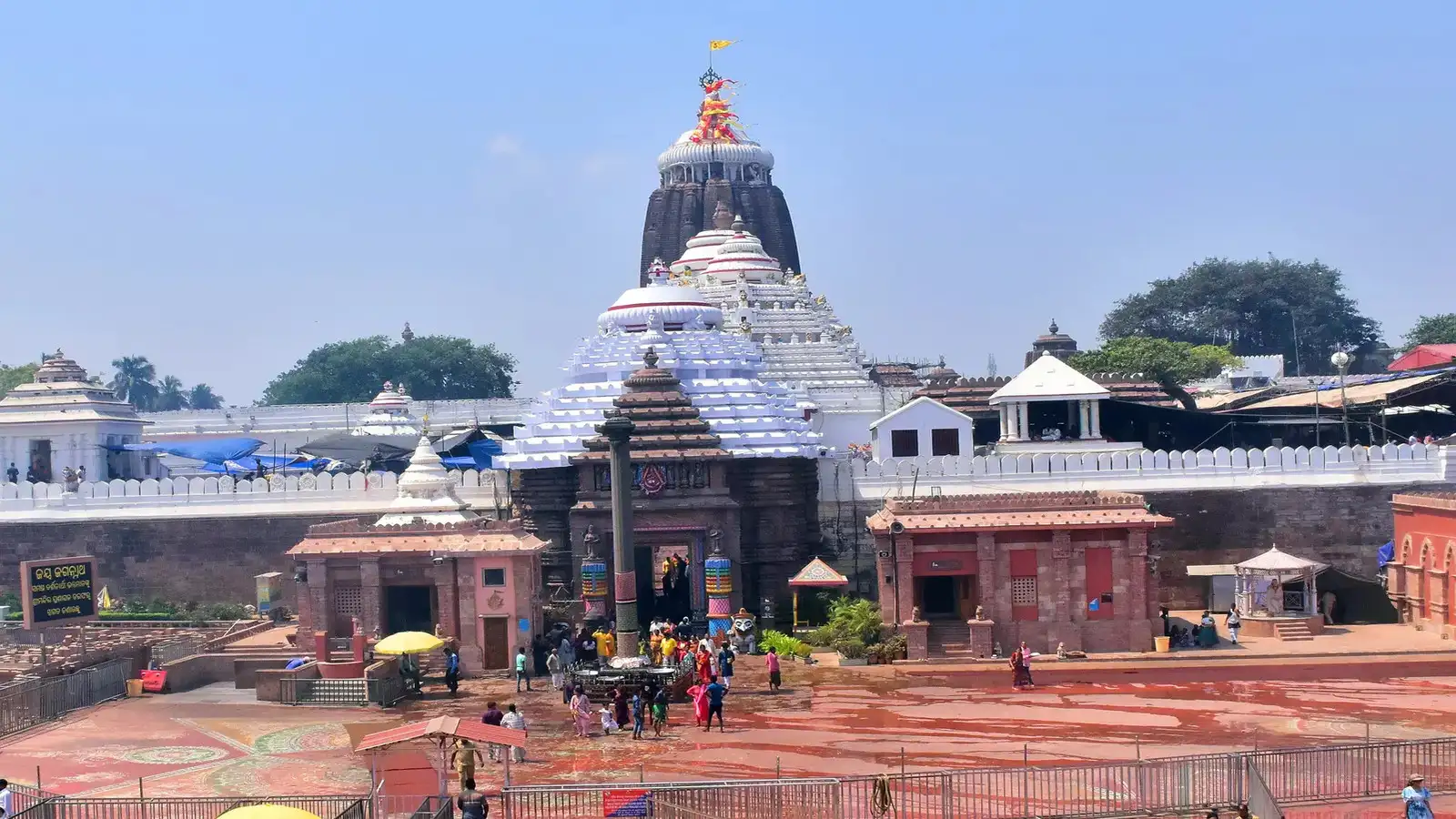
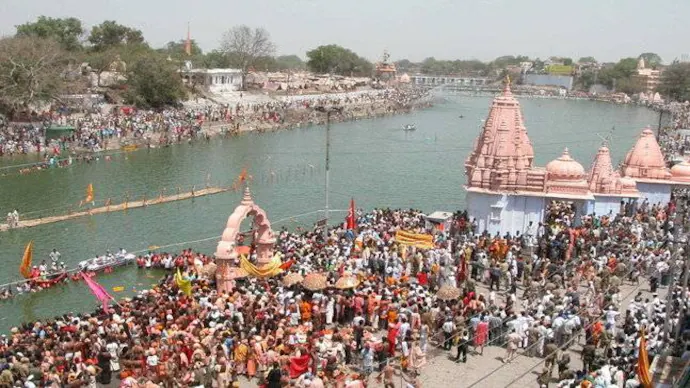
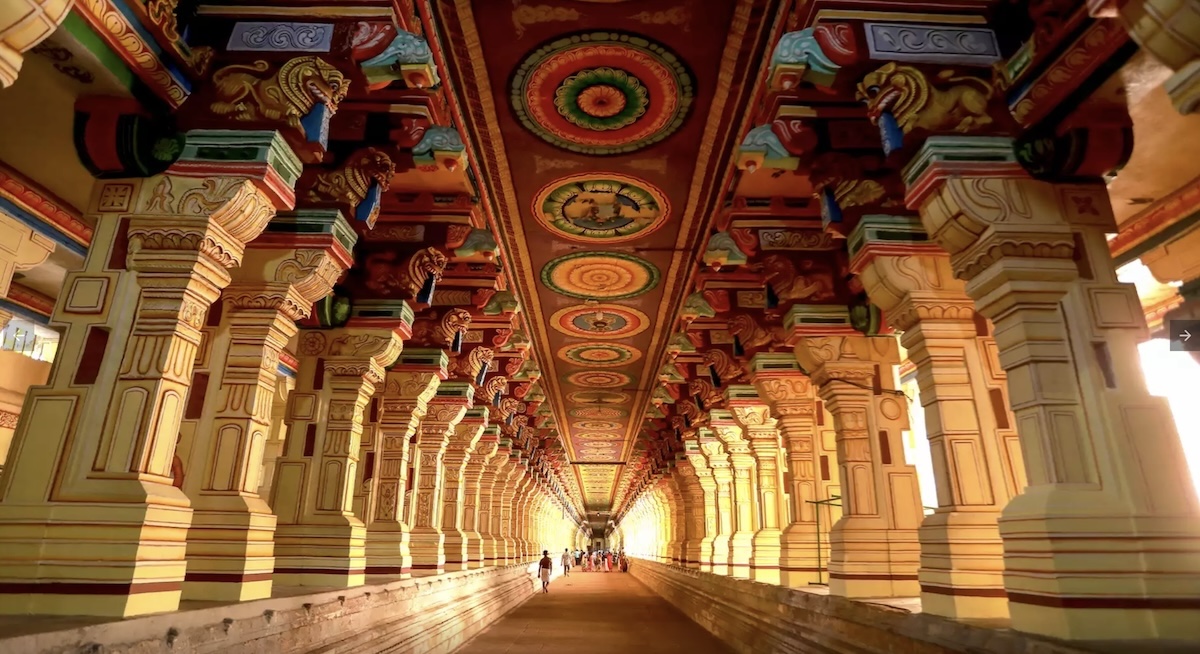
WHY IT MATTERS ?
DHZ is not just governance reform.
It is an attempt to restore the dharm-centric constitutional imagination of Bharat , where temples, traditions, and sacred spaces are treated not as state-controlled assets, but as autonomous civilizational institutions.
DHZ offers India a chance to honour its past while shaping a dignified, accountable, and legally protected future for its most sacred geographies.